How to Find Bed Bugs: A Step-by-Step Inspection Method
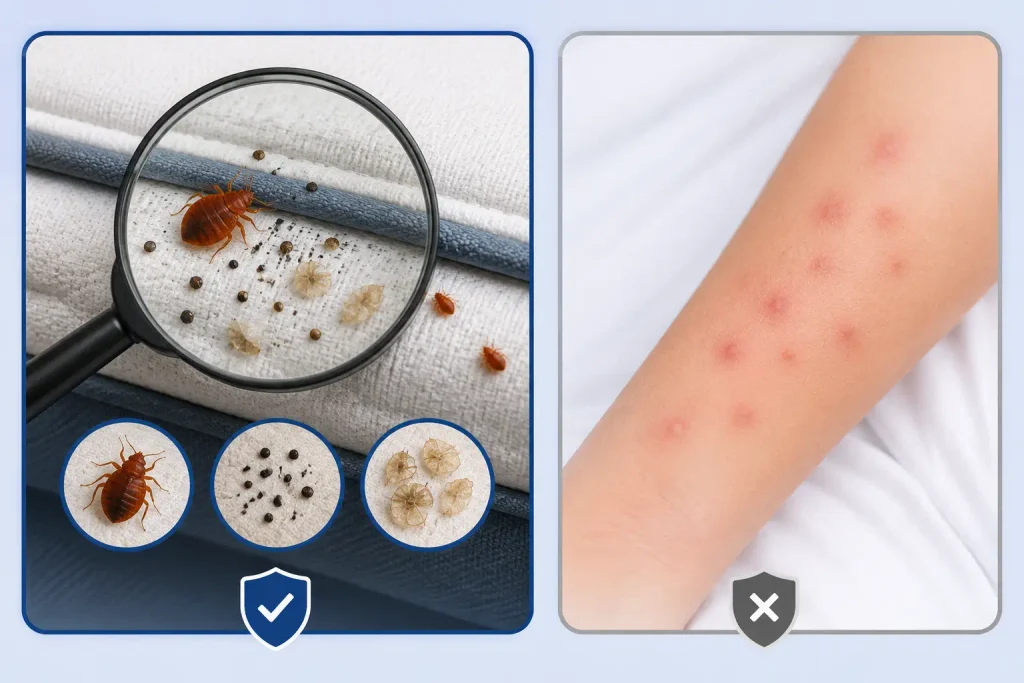
A skin reaction by itself is not reliable proof of bed bugs, since bites from mosquitoes, fleas, and even mild allergic reactions can look similar without any bugs actually present. Physical evidence, meaning the insects themselves or the traces they leave behind, is what actually confirms an infestation rather than a guess based on itchy skin alone.
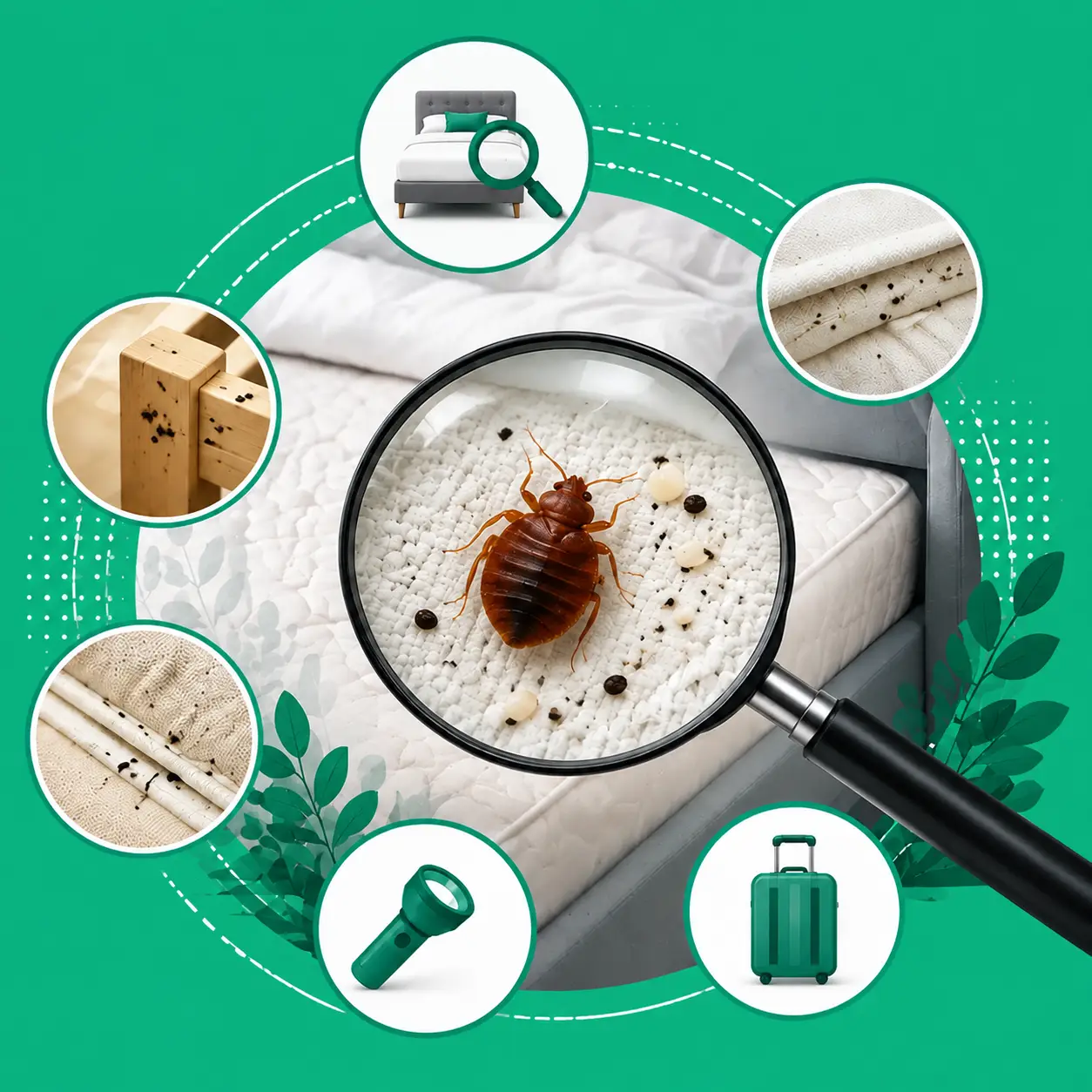
Waking up with unexplained bites is usually the first clue something is wrong, but bites alone are not enough to confirm a bed bug problem, since several other bugs leave similar marks on skin. Finding actual physical evidence, the bugs themselves, their shed skins, or their waste, is the only way to know for certain. Our bug identifier tool can confirm a suspected bed bug from a photo, but knowing exactly where and how to look comes first.
This article walks through a complete inspection method, covering every hiding spot bed bugs favor, the behavior patterns that explain why they cluster where they do, and the physical evidence that separates a confirmed infestation from a false alarm. Once located, see what kills bed bugs instantly to treat the infestation. It also covers prevention, treatment, and when a bite pattern is serious enough to warrant a doctor’s visit.
Physical Signs vs a Skin Reaction Alone
Look for small reddish-brown insects about the size of an apple seed, tiny dark spots resembling ink stains on sheets or mattress seams, and pale, shed exoskeletons left behind as the bugs grow. Finding two or more of these signs together is a far stronger indicator than a bite pattern on its own, since bites vary too much between individuals to serve as reliable proof.
How to Find Bed Bugs: Step-by-Step Inspection
A methodical search through the areas bed bugs favor most produces far more reliable results than a quick glance at the mattress surface.
Step 1: Strip the Bed and Inspect the Mattress
Remove all sheets and pillowcases, then examine the seams, piping, and tags along the edges of the mattress closely. Bed bugs and their dark, ink-like droppings tend to collect in these tight seams rather than on the open surface of the mattress.
Step 2: Check the Box Spring and Bed Frame
Flip the box spring over and inspect the fabric lining, staples, and corners, since these spots stay undisturbed for long stretches and make ideal hiding places. Wooden bed frames deserve close attention too, particularly joints, screw holes, and any cracks where bugs can wedge themselves out of sight.
Step 3: Examine Nearby Furniture
Nightstands, headboards, and any furniture within a few feet of the bed should be checked next, especially drawer joints and the undersides of furniture. Bed bugs prefer to stay close to a regular food source, so furniture directly beside the bed is far more likely to show activity than pieces across the room.
Step 4: Check Baseboards, Outlets, and Wall Cracks
Run a flashlight along baseboards, electrical outlet covers, and any visible cracks in the wall near the bed, since bed bugs can flatten their bodies to fit into surprisingly narrow gaps. A credit card or thin, flat tool can help pry open small gaps for a closer look without causing damage.
Step 5: Use a Flashlight and Take Photos of Anything Suspicious
Natural light often is not enough to spot small, flat insects tucked into dark seams, so a bright flashlight held at a low angle makes shadows and small shapes far easier to see. Photograph anything that looks like a possible bed bug, shed skin, or dark stain, since a clear photo run through an identifier tool can confirm what you found without needing to catch a live insect.
Where Bed Bugs Hide
Bed bugs favor tight, dark spaces close to where people sleep, since they need to reach a blood meal easily without traveling far. Mattress seams, box spring corners, and the crevices of a headboard rank among the most common hiding spots, followed closely by nightstand drawers and the folds of upholstered furniture.
In more established infestations, bed bugs spread beyond the immediate sleeping area into wall outlets, picture frames, curtain folds, and even the seams of luggage or clothing stored nearby. This spread pattern is part of why an infestation caught early, while still limited to the mattress and frame, is significantly easier to treat than one that has already reached surrounding furniture and walls.
Where to Look for Bed Bug Aggregations
Bed bugs are social insects in the sense that they tend to cluster together rather than spread out evenly, which makes certain spots worth checking more closely than others. Mattress seams near the head of the bed usually show the heaviest activity, since this is closest to where a sleeping person’s blood meal is most accessible. Check your skin for signs of bed bug bites to confirm what you’re dealing with.
Corners and folds of the box spring, particularly where fabric meets the wooden frame, are another common aggregation point that often gets missed during a quick inspection. Cracks in a wooden headboard, especially older or antique furniture with more joints and gaps, can harbor a surprising number of bugs once an infestation has had time to establish itself.
Bed Bug Behavior and Life Cycle
Feeding
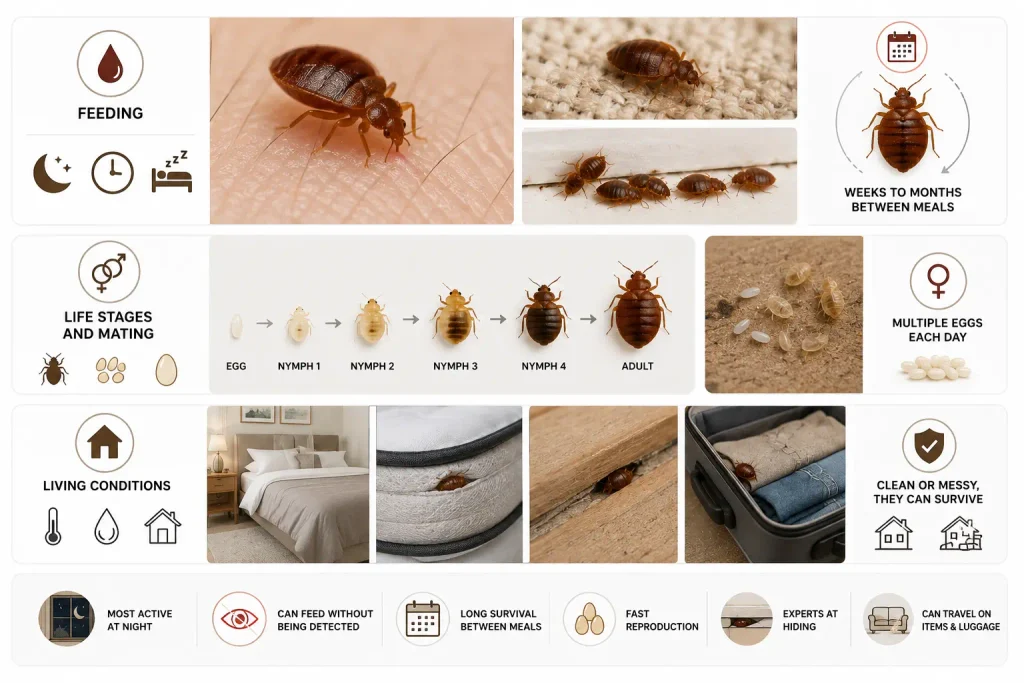
Bed bugs feed exclusively on blood, typically at night while a person sleeps, and a single feeding usually takes several minutes without waking the person being bitten. They can survive for weeks or even months between meals, which is part of why an infestation can persist quietly in an unused room or piece of stored furniture.
Life Stages and Mating
Bed bugs pass through several nymph stages before reaching adulthood, shedding their exoskeleton at each stage, which explains the pale, shell-like remains often found near hiding spots. A single female can lay several eggs per day under favorable conditions, allowing a small, unnoticed problem to grow into a significant infestation within a matter of weeks.
Living Conditions
Bed bugs thrive in the same temperature range comfortable for people, which is exactly why homes provide such favorable conditions year-round regardless of season. They do not require particularly dirty or cluttered conditions to survive, contrary to a common misconception, since cleanliness has little bearing on whether a home attracts an infestation in the first place.
How Bed Bugs Affect Your Health
Bed bug bites typically appear as small, itchy, red welts, often in a line or small cluster on skin that was exposed while sleeping. Reactions vary significantly between individuals, since some people show no visible reaction at all while others develop noticeable swelling and prolonged itching from the same type of bite.
Beyond the physical bites, an ongoing infestation can affect sleep quality and cause real stress, particularly once someone becomes aware bugs are present in their sleeping area. Secondary skin infections can develop if bites are scratched repeatedly and break the skin, which is one of the more overlooked health risks tied to a prolonged, untreated infestation.
Common Mistakes When Searching for Bed Bugs
Checking only the mattress surface and skipping the seams, box spring, and frame is one of the most common inspection mistakes, since these areas hide far more evidence than the open surface ever does. For prevention going forward, learn how to keep insects away naturally. Relying on bite patterns alone, without finding any physical evidence, often leads to either false alarm or a missed early infestation that continues to grow undetected.
Searching only in daylight without a flashlight is another frequent gap, since ambient light rarely reveals small, flat insects tucked into dark seams and corners. Waiting too long after the first suspicious sign also allows a small, manageable problem to spread into nearby furniture and walls before treatment even begins.
How to Prevent Bed Bugs From Spreading
Inspecting secondhand furniture and mattresses carefully before bringing them home prevents one of the most common ways bed bugs enter in the first place. Using a protective, zippered encasement on both the mattress and box spring makes existing hiding spots inaccessible and makes any future infestation far easier to spot early.
Reducing clutter around the bed limits the number of hiding spots available if bugs are introduced, while regularly inspecting luggage after travel catches hitchhiking bugs before they establish themselves at home. Vacuuming mattress seams, baseboards, and nearby furniture on a regular basis also helps catch a new problem before it spreads significantly.
How to Get Rid of Bed Bugs Once Confirmed
For a small, newly discovered infestation limited to one piece of furniture, thorough vacuuming combined with a bed bug spray labeled for the purpose can sometimes resolve the problem, particularly when paired with mattress and box spring encasements. Washing all bedding, curtains, and nearby fabric items in hot water and drying on high heat kills bugs and eggs at every life stage.
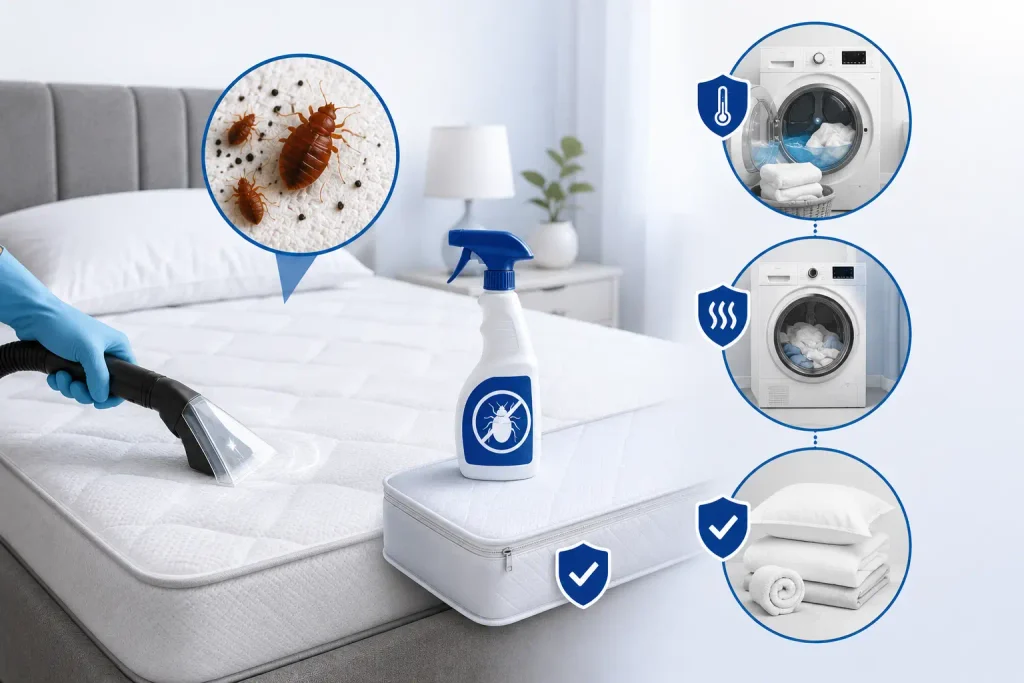
For an infestation that has spread beyond the immediate bed area, or one that persists after initial treatment, professional pest control offers more reliable, longer-lasting results than repeated do-it-yourself attempts. Heat treatment, performed by a professional, is particularly effective since it reaches hidden bugs and eggs that sprays alone often miss.
When to See a Doctor
Most bed bug bites resolve on their own within a week or two without medical treatment, but certain signs warrant a doctor’s visit rather than home care alone. Seek medical attention if bites show signs of infection, such as increasing redness, warmth, swelling, or pus, or if a widespread allergic reaction develops with symptoms beyond the immediate bite area.
Bringing a photo of both the bites and any suspected bugs found during an inspection gives a doctor useful context for treatment, particularly if the cause is still uncertain. Persistent sleep disruption or significant anxiety related to a confirmed or suspected infestation is also worth mentioning, since ongoing stress from the situation is a legitimate concern worth addressing alongside the physical bites.
Frequently Asked Questions
Conclusion
Finding bed bugs comes down to checking the right places methodically rather than relying on a quick glance at the mattress or on bite marks alone. Working through the mattress seams, box spring, bed frame, and nearby furniture with a flashlight uncovers the physical evidence, live bugs, shed skins, or dark droppings, that actually confirms an infestation. Catching the problem early, while it is still limited to the immediate sleeping area, makes treatment considerably easier than waiting until it spreads into walls and surrounding furniture. If a photo of a suspected bug turns up during the search, running it through our bug identifier tool provides a fast, reliable way to confirm exactly what has been found.